
What instantly springs to mind when you think of the Spanish Costas? Blue skies, brilliant sunshine, a shimmering sea and a seemingly endless supply of golden sand? Think a little more and perhaps visions of grand cities will also emerge – vibrant places where rich history and propulsive modernity exist side-by-side. And if you’re drawing on memories of past holidays then the images will probably keep on coming: mouth-watering seafood dishes; people enjoying time in and around the swimming pool; orange trees providing pops of colour to sunlit streets, and so on…
While there are undoubtedly superb spots on the northern and southern coasts of mainland Spain, our focus here is on the east coast, also known as The Levante. This large area is packed with beaches and resorts and also features many of Spain’s historic treasures, stretching all the way from the Costa Brava in the north to the Costa de Almeria in the south. With a handful of excellent campsites picked out, as well as a ‘top three’ in terms of things to see and do near each one, this is one road trip that will definitely etch many, many more images of Spain into your memory.
Stop 1- Camping l’Amfora
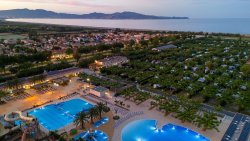
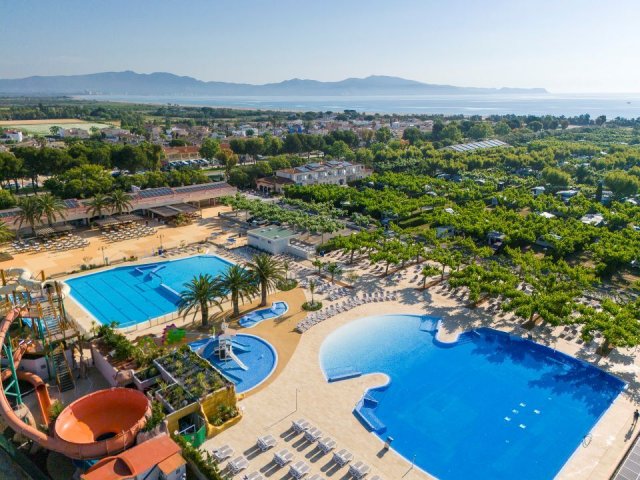
Just across the border with France in northern Catalonia, Camping l’Amfora is a large, spacious site with a seriously impressive complex of swimming pools and water slides, not to mention a bar, spa area and activities such as minigolf, tennis and the classic Catalan game of pétanque. Open from the middle of April to late September each year and run by Michelle, Josep and their daughter, it is a firm favourite with sunseekers, with direct access to a beach looking out to the Bay of Roses.
Here’s a ‘top three’ at Camping l’Amfora… if you can tear yourself away from the campsite and its surrounds.
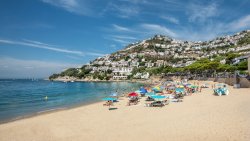
The town of Roses
In recent years the town of Roses was most famous for being the home of the legendary-but-now-shuttered restaurant El Bulli, but there are plenty of other reasons for foodies to make the pilgrimage today – the Michelin guide picks ROM and Sumac out from the current crop. It’s a pretty, popular town to visit even if you just want a nice day out by the sea, with a lovely beach and a land train that runs from April to December along various routes.
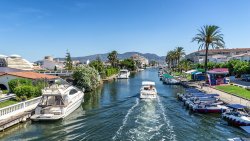
Empuriabrava
Nearer to the campsite is Empuriabrava, a large residential marina with more than 40km of canals, leading to its nickname ‘The Venice of Spain’. You can explore the town on foot – although beware of developing boat envy – and there’s a good selection of bars and restaurants if you want to experience the town’s nightlife.
Salvador Dalí
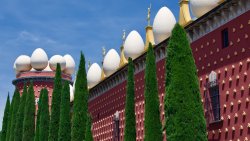
Art lovers should not miss the region’s links to the great Salvador Dalí, a Catalan by birth who later returned to the Costa Brava to live. Inland from the campsite, Figueres boasts the Dalí Route, a trail taking in important sites such as the street in which he was born. In coastal Cadaqués, meanwhile, you’ll find an art trail and the Dalí Expo, where around 300 works are exhibited, and in Portlligat there is the Salvador Dalí House Museum, where you can explore the place the surrealist called home for 40 years. Booking tickets to all attractions in advance is either advisable or, in some cases, required.
Stop 2 – Vilanova Park
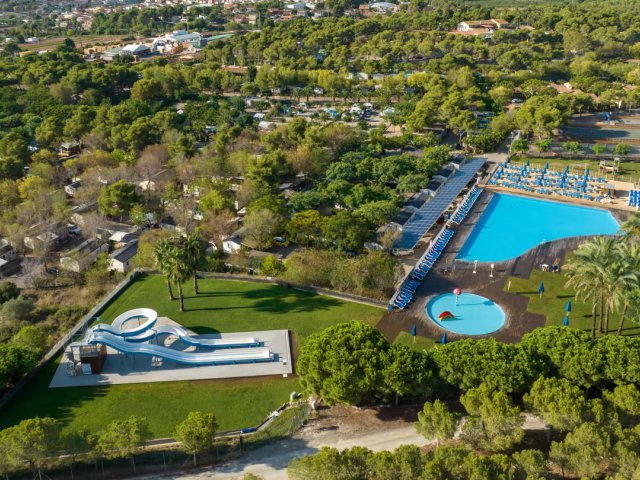
On to the Costa de Barcelona and the town of Vilanova i la Geltru, where this pretty campsite with thousands of trees and shrubs is open all year, making it a great option if you’re after some sunshine outside of the main summer season. With a restaurant (based in a former farmhouse), outdoor pools and water slide (seasonal), indoor pool (all year, charged), wellness centre and much more, it’s another site with an excellent range of facilities. The town centre is around 15 minutes’ drive away (a bus service takes around 25 minutes) – here you’ll find an excellent selection of shops and restaurants, with a long pedestrian-only ‘rambla’ and several charming squares.
Here’s another top three…

Two of the coast’s finest cities
Two of the coast’s finest cities are reachable by train in around an hour. To the south-west is Tarragona, where you can explore a Roman amphitheatre and while away hours in the expansive old town, where a visit to the cathedral is a must. To the north-east is Barcelona, where the striking buildings designed by Antoni Gaudí provide as many thrills as the city’s most famous football team.

PortAventura World
It’s easier to get to with your own transport, but PortAventura World, to the east of Tarragona, features three distinct theme parks, meaning a fun day out for all the family. If you’re after something closer to Vilanova Park and lighter on the bank balance, the Calafell Slide – a 700m metal bobsled track on a mountain – is open from the end of March to the end of October and can be enjoyed by children as young as three if accompanied by an adult.
Sitges
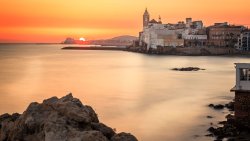
A great day or night out can be had at the coastal town of Sitges – another destination reachable by train from Vilanova i la Geltru station. The buzzing streets are filled with shops and restaurants, and it’s one of Europe’s premier LGBTQ+ destinations, with a great atmosphere once the sun goes down.
Stop 3 -Camping Sandaya Valencia
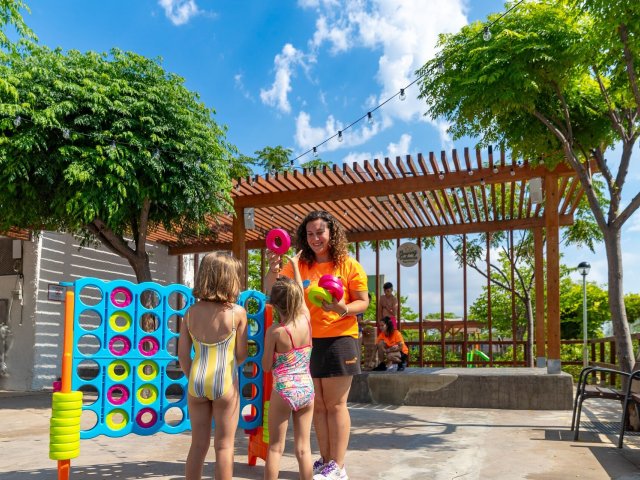
The trip continues south to the Costa de Valencia. As well as being a stone’s throw from the beach, and the warm waters of the Med, this campsite is a short 15 km drive (or train ride away) from Valencia, making visits to the historic city easy. It’s also just 3km from Puzol, where you’ll find local shops and amenities. A long, wide promenade runs along the beach, ideal for a pleasant stroll, and there are paths and trails close by for walking or cycling. The site – open from the start of April to the middle of November – is large and well-run, with an excellent restaurant, sports courts, large pool complex with water slide and an organised kids club/daily entertainment in high season.
And how about these suggestions during your visit?
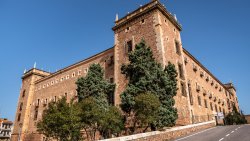
Monastery of Santa Maria at Puig
The large Monastery of Santa Maria at Puig occupies a dramatic position on top of a hill and dates back to the 16th century. Guided tours are available on most days (closed on Mondays); booking in advance is advisable.
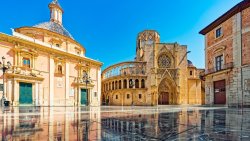
Valencia
With a heady mix of medieval and modern, futuristic architecture, Valencia is a fascinating city to explore on foot. Throw in a beautiful old town, the Jardín del Turia – a dried-up riverbed converted into a long park/garden – and a buzzing port and beach and Valencia’s wide-ranging appeal is obvious.
Marjal del Moro
Two kilometres to the north of the campsite is the Marjal del Moro, a popular birdwatching/wetlands area. You could see the likes of ibis, purple swamphen, heron, warbler, egret and many, many more.
Stop 4 - Camping Villamar
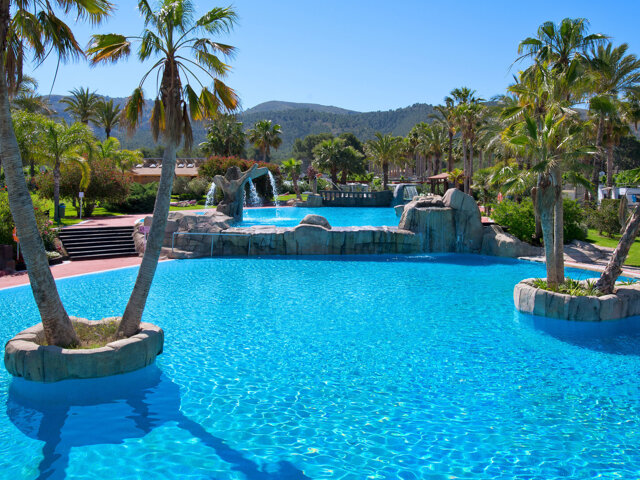
The Costa Blanca is a popular destination for tourists, with resort towns and cities such as Alicante, Benidorm, Santa Pola and Torrevieja drawing the crowds. But it’s also possible to enjoy a quieter break along this coastline, and Camping Villamar is perfect for a more relaxed holiday. An all-year site with a good range of amenities, it operates to high standards, with 506 for touring positioned amongst them. The pitches are large and flat, with some shade from young trees. The central pool and amenities complex is dotted with palms – as you dine on the terrace you may well forget that the teeming town of Benidorm is close by. If you can bring yourself to leave the campsite…
Alt del Governador
The challenging walk up to the Alt del Governador rewards with fine views of the area surrounding Benidorm, but please do note the word ‘challenging’ – this trail requires a moderate-to-good level of fitness.
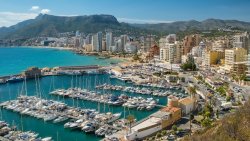
Coastal city of Calp
If you’d like a day out, the coastal city of Calp is a great place to spend some time, with its long beach and beautiful centre. Don’t miss the Spanish flag steps, a blast of colour among the winding streets of the old part.
Terra Mítica
One of the benefits of being close to Benidorm is the sheer number of attractions and excursions that are on offer. For a fun, family day out, the Terra Mítica theme park (the theme being ‘ancient civilisations’) will not disappoint.
Stop 5 – La Marina Resort by Samay
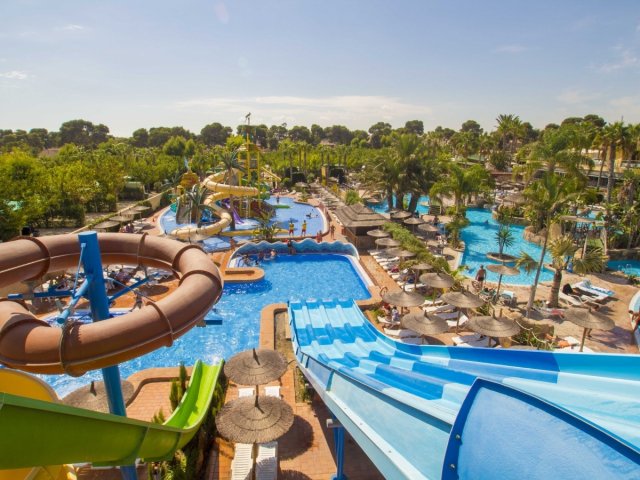
Talking of family fun, this campsite situated between Alicante and Torrevieja is another within striking distance of the beach, while the vast lagoon swimming pool complex (with waterslides) is fabulous. There is also an indoor play area, a ‘cyber zone’ for teenagers and a new soundproofed disco. With a shop, restaurant, sauna and solarium, jacuzzi, extensive activity and entertainment programme and sports area, La Marina has everything you’ll need for an active family holiday.

Cartagena
There are a number of cities worth visiting nearby; it’s worth taking trips to Alicante, Elche and Murcia, all of which have charming warrens of centuries-old streets to explore. But don’t miss Cartagena, which is just over an hour if you are driving from the resort. It thrived during the Roman Empire, and visitors today flock to the amphitheatre and the House of Fortune museum, a preserved home featuring mosaics, wall art and other artefacts.
RioSafari
The RioSafari near Santa Pola is part-zoo, part-theme park, with go-karts, ziplines, and an extensive water park for little ones who need to cool down.
Torrevieja’s pink salt lake
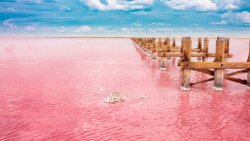
Torrevieja’s pink salt lake will have you reaching for your phone or camera – this is the largest salt producer in Europe, and its distinctive, otherworldly pink lagoon can be visited on a guided tour by foot or by taking the tourist train that runs from the centre of Torrevieja.