Spain has a unique geography − it is bordered by both the Mediterranean Sea and Atlantic Ocean; it is just a stone’s throw from Africa at its southern tip; and it is intersected by mountain ranges marking clear, sometimes difficult-to-cross, borders. Throw in a complex historical and cultural legacy, and it is perhaps no surprise that vastly different farming patterns and cooking styles have developed over time.
Despite these differences, Spanish cuisine is united by a focus on local, seasonal produce, frequently brought together with olive oil and garlic. The food tends to be rustic and often designed for social situations, whether grabbing tapas at a bar in Barcelona or sharing a two-course stew in Valencia. More recently, foodie meccas such as San Sebastian have become home to internationally renowned restaurants that showcase the very best of Spanish produce and culinary innovation.
With so much to explore, we bring you highlights from a selection of the country’s regions, along with campsites that put you within easy reach of some of Spain’s tastiest experiences.
Cataluña-Catalunya
Catalonian cuisine is informed by its location on the Mediterranean and features a great deal of seafood – think grilled sardines, fish stews and cod grilled with garlicky aioli – as well as an abundance of fresh fruit and vegetables such as peppers and tomatoes. Expect to find plates of bread rubbed with tomato and topped with preserved anchovies, vegetable stews such as escalivada, and (more seasonally) wild mushrooms and calçots (large sweet
spring onions). The latter are usually grilled and served with a piquant, nutty sauce known as romesco.
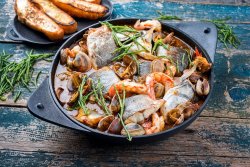
The interior of the region brings to the table many pork-based dishes, such as cured meats – ham is a constant, though the cured pork sausage fuet is a more local speciality – and uncured sausages, which are often served with local beans. Steak is also extremely popular. Rice is grown in southern Catalonia, and dishes such as paella often feature both meat and seafood together; a slightly different regional variation is fideuà, which uses noodles rather than rice.
Any meal in this region should be rounded off with a crema catalana, which is very similar to a French crème brûlée, but is usually flavoured with cinnamon and citrus.
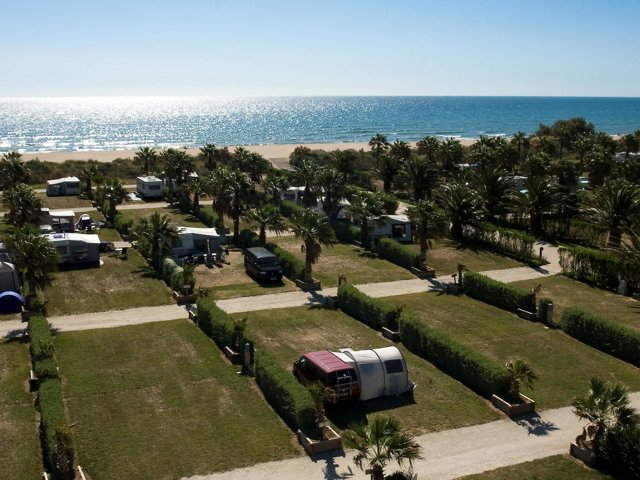
Where To Stay

Comunidad Valenciana
Like Catalonia, the position of the Valencian Community on the Mediterranean coast means the diet is rich with seafood and fresh vegetables; meat is another staple. However, it also draws from the traditions of the Balearics and other neighbouring regions.
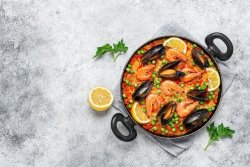
The area is well known for its citrus varieties and rice. Expect plenty of paella and fideuà, but also rice baked with chicken and even snails. Fresh orange juice is abundant, and is also used in agua de Valencia, a punchy cocktail consisting of juice, vodka, gin and cava.
Not to be missed is puchero, a highly traditional two-stage Valencian stew featuring slow-cooked chickpeas, vegetables and beef. The broth is served first, followed by the meat and vegetables. If you happen to be in the area for Christmas, expect to see even more hearty versions of this classic.
The town of Benicarló is renowned for its artichokes, and in January a festival is held in celebration of the vegetable, with chefs creating an array of dishes, ranging from tapas bites to desserts!
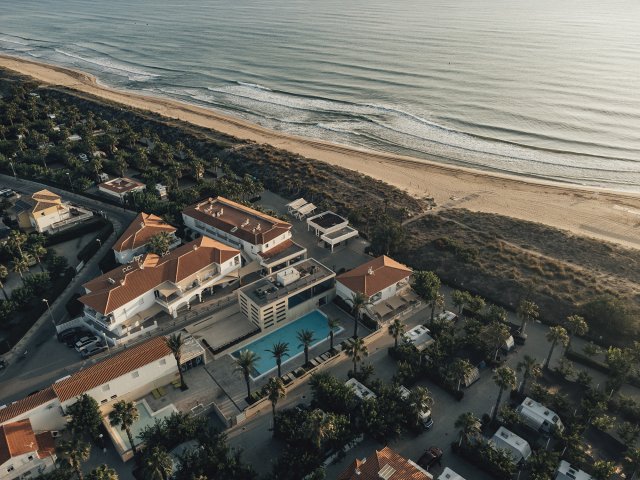
Where To Stay

Andalucia
Straddling Spain’s southern coast, and bisecting the Mediterranean Sea and Atlantic Ocean, with Africa just a short ferry ride across the water, Andalucia’s food culture is expansive and varied.
From the sea, expect plates of grilled sardines and deep-fried freshly caught anchovy, squid and mullet (olive oil is used in abundance). In Cádiz, tuna is king and served in a variety of ways. Look out, too, for fritters made from tiny shrimp (tortillitas des camarones).
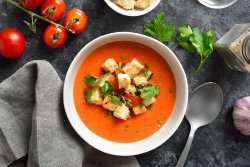
The hot climate has popularised chilled soups such as gazpacho (made from tomatoes, cucumber, peppers, olive oil and garlic) and ajo blanco (almonds, garlic, bread and olive oil, often with melon), which showcase the region’s produce.
The Northern African influence can be seen in dishes such as sweet-and-sour fried aubergine drizzled with local honey, or spinach and chickpeas cooked with cumin and paprika.
Those with a sweet tooth should also try the Arabic-influenced pastel Cordobés: puff pastry filled with a sweet squash conserve and dusted with sugar and cinnamon. It’s even better washed down with a glass of local sherry!
Where To Stay

Pais Vasco-Euskadi
Sitting on Spain’s north coast and home to the internationally revered foodie hotspot, San Sebastián, the traditional cuisine of this area (better known as the Basque Country) is rustic and flavoursome, and includes grilled meats and fish, with potatoes, pepper and onions as staples.
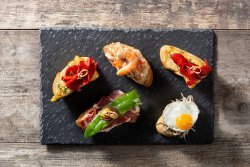
Tapas is enjoyed here in the form of pintxos – small slices of bread with delicious local toppings, which is a great way to sample the region’s delights. Every bar has its own specialities – if you’re looking for a real flavour bomb, try a gilda, a skewer of olive, anchovy and pickled pepper, or a sliver of the pungent local cheese, Idiazabal. Larger plates are also made to order and provide further variety. Wash down your food with a glass of the local cider.
Seafood is popular across the region too. Favourites include spider crab (try it in a gratin), hake cheeks, and cod cooked in a variety of tasty sauces.
No visit is complete without a slice of Basque cheesecake – a quivering, crustless dessert with a burnished top – for which people are happy to join the queue at its place of origin, La Viña restaurant in San Sebastián.
Where to Stay
Navarra
Hot on the heels of its Basque neighbours, Navarra is also a draw for those wanting to take a deeper dive into Spanish food culture. Although there are many similarities between the two cuisines, it is the exceptional quality of Navarra’s fresh produce − celebrated each spring at a festival in the city of Tudela − that really sets it apart, thanks to the perfect growing conditions by the River Ebro.
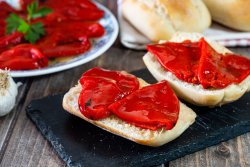
Key crops here are artichoke, piquillo peppers, lettuce, cardoons and delicate white asparagus, all of which are enjoyed seasonally, often as pintxos, as side dishes to grilled Navarran beef, or brought together in the local menestra stew.
Cheese lovers should be sure to sample Roncal, which is made in the Pyrenean valley of the same name using raw sheep’s milk and aged for at least four months. This is also a major wine region as it has exceptional conditions for growing grapes. Look out for grenache, graciano and tempranillo (reds) and malvasia, white grenache and muscat (whites). Meals are often rounded off with a shot of Pacharán, a digestif made from sloe berries, which dates as far back as the Middle Ages.
Where To Stay
Castilla Y Leon
This landlocked area has a colder climate than most other regions of Spain and is chiefly known for its roast meats, specifically lamb and suckling pig. It is also big on stews and soups (sopa de ajo − garlic soup − is a favourite), and has traditionally relied on chickpeas and other beans as staple ingredients, although meat, morcilla (blood sausage) and cabbage are also used. This is an agricultural region, so served alongside is the local flat and round candeal bread, which is great for mopping up juices.
The town of Herrera de Pisuerga is known for its crayfish and holds a festival every August featuring a communal meal and a crayfish cooking contest. Salt cod is also popular, particularly bacalao al ajoarriero, a preparation with tomatoes and peppers.
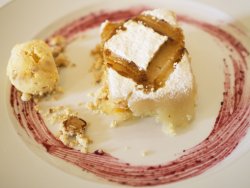
The town of Segovia is home to the cake known as ponche, the recipe for which is protected, and the original can only be bought at one bakery. It alternates layers of syrup-soaked sponge and an egg yolk cream, all covered in marzipan. It is identifiable by its unique diamond-shaped decoration. Other desserts originate from monasteries and convents, such as lazos de San Guillermo, which are puff pastry ties topped with almonds.
Where To Stay