Choose a small campsite for a personal experience where you will be welcomed by the owners of the campsite.
Camping Normandy // Campsites in Normandy // Alan Rogers
8 campsites in France, Normandy for Orne
Campsite Listing Google Map
The following consent is required:
Tracking & performance, Targeting & advertising.
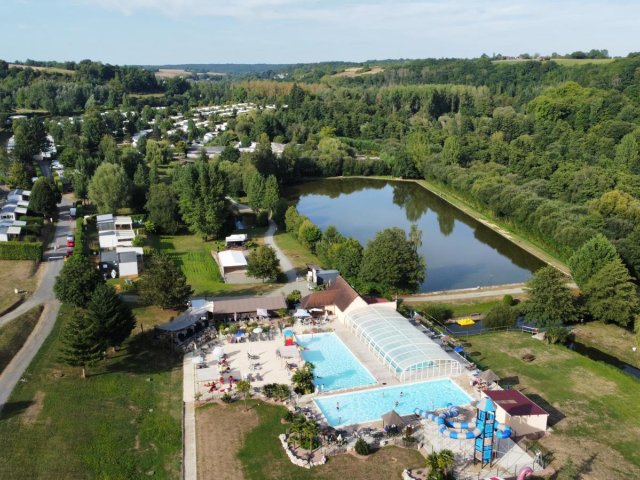
Camping Monaco Parc is located in Longny-les-Villages, France, within the heart of the Perche Regional Park. It's an excellent destination for those seeking a relaxing getaway in the French countryside. The campsite predominately consists of privately owned mobile homes spread over 25 hectares, but 12 Touring pitches with electric hook-up points are available.
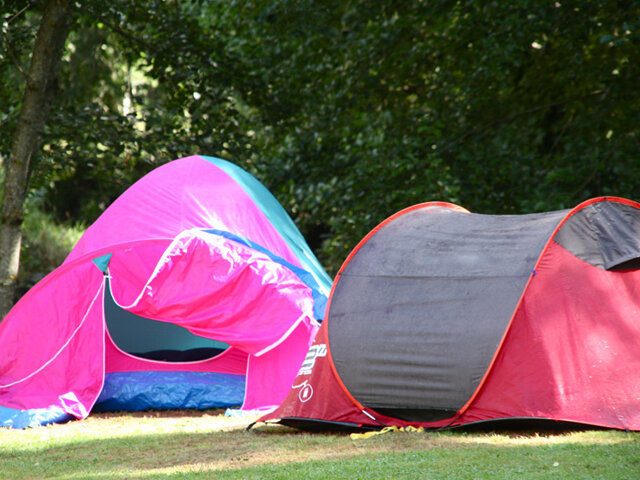
Camping de la Rouvre is set on the banks of the River Rouvre, 2 km. from its confluence with the River Orne. There are 17 grassy touring pitches (ten adjacent to the river), almost all with 16A electricity (long leads required) and separated by hedges. An open field accommodates a further 30 units. There are two tents and a wooden chalet for hire. The site is convenient for several ferry ports, with the famous tourist sites of Mont Saint-Michel, Caen, Bayeux, the Normandy landing beaches and the most beautiful treasures of Calvados on the doorstep. The Roches d’Oëtre is a walkers’ paradise, with eight walking routes starting from the site. Nearby is the 1,000-kilometre GR36 long-distance footpath running from the English Channel to Spain. The local gorges are a haven for wildlife, and the 150-metre high cliffs, steep rocks and deep gorges, has earned the area the nickname ‘The Switzerland of Normandy’.
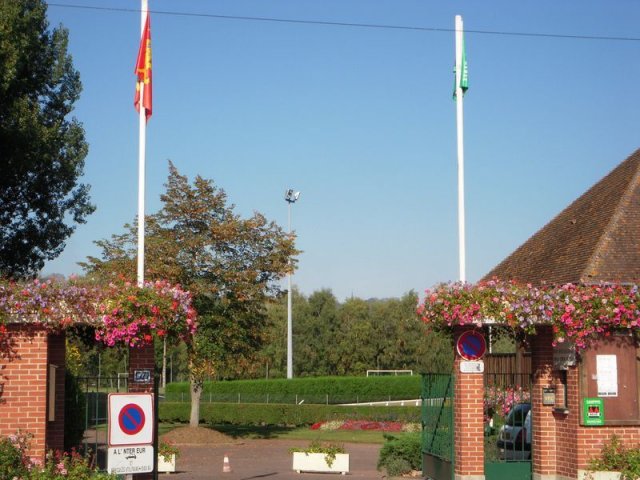
In a valley on the northern side of the pleasant little town of Vimoutiers, which is on both the Normandy cheese and cider routes, this is a delightful municipal site. The 36 pitches are flat and grassy, separated by laurel hedging and laid out amongst attractive and well maintained flower and shrub beds. There is some shade around the perimeter and all pitches have electricity (8A). Also, there are four mobile homes to rent. The town is famous for its cheese and has a Camembert museum. Nearby, at Mont-Ormel, the events of the Falaise Gap are brought vividly to life.
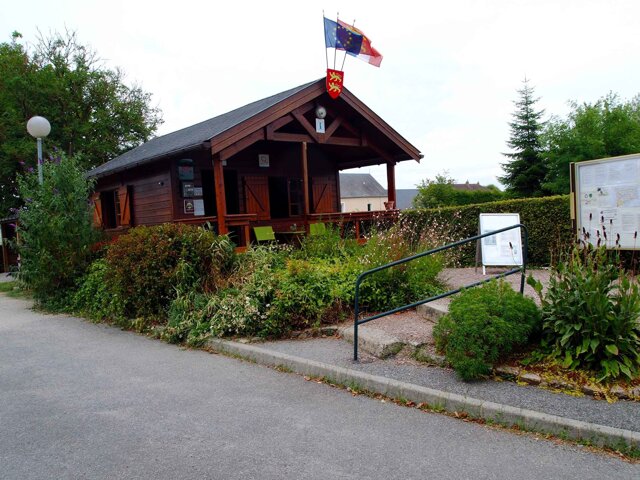
The site has 50 grass pitches of varying sizes delineated by hedges. Pitches are among the largest we've seen, however, pitches at front could be noisy due to road noise. EHU points 6amp Euro plug are few and far between so be careful where you park or bring a long power lead. 5 pitches are occupied by Mobile Homes available to rent. Free WiFi in the vicinity of the office. There are several restaurants and shops within yards of the entrance. The town of Sées is about a 5 minute walk away, be sure to take the 3km walk around the town, ask for the free guide from the office, impressive Cathedral and medieval areas in a very pretty little town. Multilingual, friendly, helpful staff. Ideal for one night stop on your way north or south. There is a Carrefour Market with fuel about 120 metres away. Saturday market.
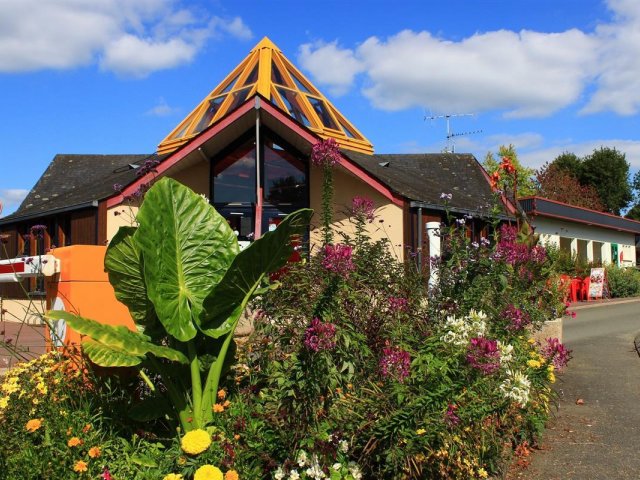
Camping de la Vée is a pleasant municipal site in the town of Bagnoles de l’Orne, and is open for a long season (March to November). The 246 pitches (228 for touring) are large and grassy and are grouped around the two well-maintained toilet blocks. All have 10A electricity. Some 51 hardstandings are available for motorhome users. On-site amenities include a snack bar with special meal offers in peak season, a play area and free WiFi. Several fully equipped mobile homes are available to rent.
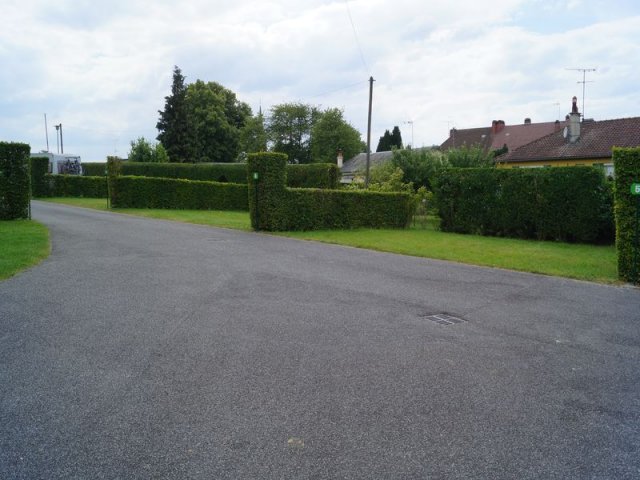
This is a small municipal site, situated within walking distance of the town and close to the D438. There are 28 hedged and numbered grassy pitches. It is gently sloping site with views over the valley. The manager visits between 19.00-20.00. Electricity connections are available to all pitches (10A). Ideal as a stopover site. No English is spoken.
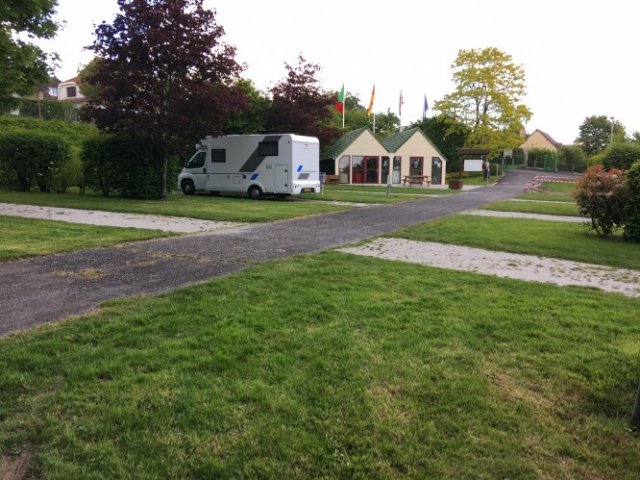
Situated on the edge of the fascinating fortified town of Domfront, this small site has 34 individual pitches on a series of level terraces and a separate open grassy area for tents. The nine pitches nearest the entrance are all hardstandings separated by grass and with 10A electricity. Grass pitches on the lower levels, divided by shrubs and hedges, have 5A electricity and most have water and waste water points. The site is cared for by a lady warden who keeps everything immaculate and is justifiably proud of the entries in her visitors’ book.

No campsites match your search terms.
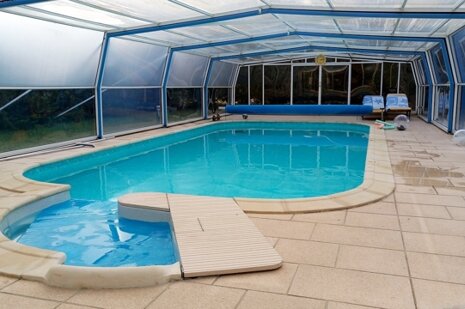
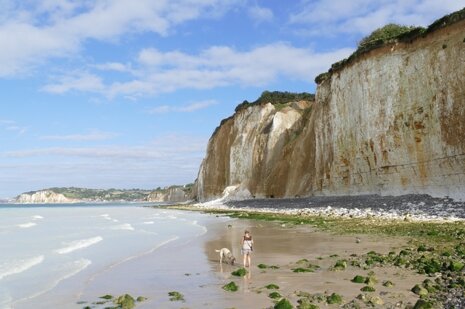
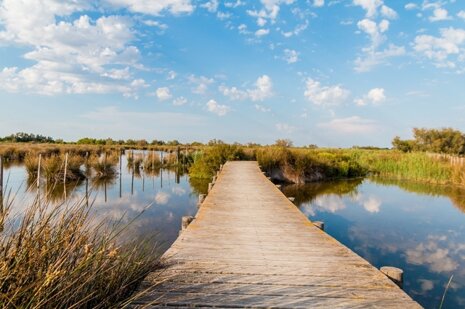
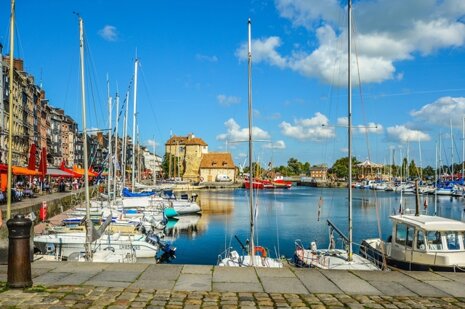
Normandy
A striking area whose beauty lies not only in the landscape, Normandy is famed for its seafood and Celtic tradition. Certain areas of Normandy remain untouched and wonderfully old fashioned.
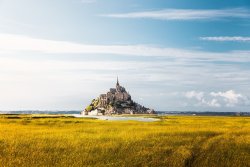
Just across the Channel, Normandy’s history is inextricably linked with our own in the UK, from 1066 and all that to the Normandy Landings of D-Day in June 1944. Yet, from the stylish seaside resorts to the old half-timbered manor houses surrounded by lush pastures and cider orchards, Normandy still seems largely untouched by the rigours of the modern world.
Laying on the upper edge of France, Normandy has a striking and wonderfully old-fashioned feel characterised by a craggy granite coastline, quiet villages and unspoilt countryside. It’s a place with a noticeable artistic streak: Monet’s garden at Giverny is located here, and the fine Gothic architecture of Rouen Cathedral was the subject of a number of the impressionist’s paintings. Towns such as Honfleur typify the picturesque maritime charm of its ports.
The Manche department is the finger that points across the Channel at Britain, and it stretches from the port of Cherbourg on the tip of the Cotentin peninsula to the Mont St Michel – the most visited site in France – right on the border with Brittany. The granite coastline, sandy coves and the inland bocage, a dense array of hedgerows and trees that so obstructed the Allies in 1944, has changed little in centuries.
A journey through Normandy cannot fail to reveal its significant part in western history. The Bayeux Tapestry depicts the Battle of Hastings and, most famously, its coastline hosts the five beaches onto which the Allied troops landed on D-Day. Caen’s Memorial Museum follows the course of the event and the beaches themselves remain a primary reason for many to visit the region. Even its medieval castle played a part in the Second World War; today, it serves as a museum exhibiting Normandy’s art and history.
Normandy is known as the dairy of France and its dishes often feature cream, butter, and fine cheeses such as Camembert and Pont l’Evêque. The cider route takes in the countryside and pretty villages of the Pays d’Auge, where Calvados, the distinctive apple brandy, and cider are produced.
Normandy Blogs
Seafood of Normandy
Rob Fearn | 20 Feb 2023 | Read time: 4m 38s
Normandy is synonymous with many things: 1066 and all that. The D-Day Landing Beaches. Calvados and orchards. But its seafood is a stand out feature of this slow paced, bucolic region.
Read More
The Normandy beaches of D-Day
Ben Tully | 5 Jun 2017 | Read time: 5m 3s
The beaches of Normandy saw the largest seaborne invasion in history - 6th June 1944 or D-Day marked the beginning of the Allied campaign to wrestle occupied Europe from Nazi control
Read More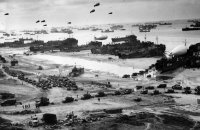
Commemorating the 80th Anniversary of D-Day - 2024
Rob Fearn | 26 Jun 2023 | Read time: 3m 45s
The 6th of June 2024 will mark the 80th anniversary of D-Day, an opportune time to reflect on the historic events that unfolded along the Normandy coast in the days that followed.
Read More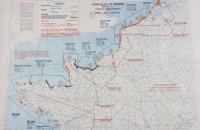
A REGION OF CONTRASTS
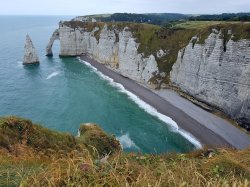
A region of contrasts
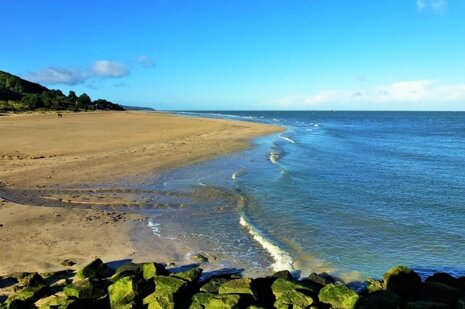
Normandy has a rich landscape full of variety. Its superb coastline includes the Cotentin Peninsula, the cliffs of the Côte d’Albâtre and the fine beaches and fashionable resorts of the Côte Fleurie. Notable spots include Houlgate with its pretty promenade and vast sandy beach, and Cabourg, a popular resort with large sandy beach and a whiff of Edwardian elegance about it – stroll around the marina admiring the yachts or meander through the formal gardens.
The beaches may be wide and sandy, but the rolling countryside of the interior conceals a wealth of quiet, unassuming villages, ancient market towns and unspoilt countryside calling out for leisurely exploration. Rouen is the largest city, the scene of Joan of Arc’s martyrdom and renowned as the ‘town of a thousand spires’ that inspired the Impressionist painter Monet.
CAMPING IN NORMANDY
Camping in Normandy
A hardy perennial camping destination, Normandy is a convenient entry point to much of France. Many people drive straight through Normandy, chasing the sun (not always successfully!) and ignoring the glories of this fabulous region in their haste.
Campsites in Normandy are family-friendly, with generally spacious grassy pitches and well demarcated with attractive shrubs and tidy hedging. It is not uncommon for campsites to have been established in orchards where an apple tree still remains on each pitch.
Most campers either enjoy the beaches and the historical sights of the region, or are keen outdoor activity fans, enjoying walking, canoeing, cycling along quiet country lanes or playing golf on some of France’s best courses with the lushest and greenest of greens.
GETTING TO NORMANDY
Getting to Normandy
It’s a short hop across the Channel to Normandy. And there are always special prices on certain sailings so do shop around. Brittany Ferries sails from Portsmouth to Cherbourg or Le Havre and Caen, as well as Poole to Cherbourg. Overnight ferry crossings are more expensive, with cabins a popular extra, but you do arrive refreshed. DFDS sails from Newhaven to Dieppe.
PLACES OF INTEREST
Places of interest
Bayeux: Founded by the Romans, sacked by the Vikings, then home to the celebrated 11th century tapestry, 70 metres long and depicting the Norman conquest of England in 1066, Bayeux has endured a troubled history. The town centre is picturesque with narrow cobbled lanes, ancient timbered buildings and a magnificent cathedral. The cemetery on the outskirts, with some 4,648 white headstones, is particularly moving.
Suisse Normande: One of Normandy’s most beautiful regions: a delightful wooded landscape with rocky ravines, trout streams and the greenest of valleys. This is a great area for canoeing and rock climbing, and there are wonderful hiking trails to the south. All very different to the vast beaches of the coast and the sleepy, lush meadows of the interior to the north.
Mont St Michel: A view unchanged for centuries and as you drive around the bay, the mount pops up on the horizon at intervals in a picture-postcard scene that is a UNESCO World Heritage site. Even General Eisenhower mentioned this view in his memoirs. The ancient Benedictine monastery is connected by a causeway, surrounded by salt marshes with grazing sheep at low tide.
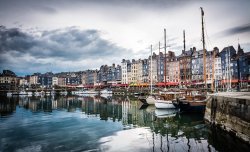
Honfleur: A photographer’s dream, and the subject of countless paintings, this is perhaps one of France’s most quaint and photogenic small ports. A fascinating variety of boats moor up in the ancient dock, just yards from wonderful seafood restaurants which fight for the freshest of fish. The high, narrow houses, painted in faded pastel hues, cast their reflection in the water and are the iconic backdrop to a timeless, picturesque scene.
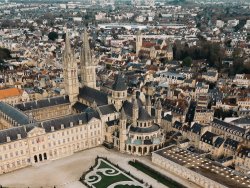
Caen: Steeped in history, Caen is a bustling university town dominated by the 11th century fortress and Abbaye aux Hommes, an architectural gem built by William the Conqueror. On the outskirts of town the Caen Memorial Museum is a superb reminder of the terrible story of the Battle of Normandy and is a place of solemn pilgrimage for those seeking a better understanding of the events of the D-Day Landings of 1944.
Deauville: With its stylish beach promenade and racy nightlife, not to mention Grand Casino, racecourse and film festival, Deauville has been a magnet for those seeking the high life, sprinkled with a little glamour, since the mid 19th century.
Cherbourg: La Cité de la Mer; Château des Ravalet; Thomas Henry Museum.
Omaha Beach: D-Day beaches; landing site monuments; American cemetery.
Giverny: home of impressionist painter Claude Monet; Monet Museum.
Lisieux: pilgrimage site, shrine of Ste Thérèse.
Rouen: Joan of Arc Museum; Gothic churches, cathedrals, abbey, clock tower.
NORMANDY CUISINE
Normandy cuisine

Known as the dairy of France, Normandy’s markets are abundant with rich cream, butter, and fine cheeses such as Camembert and Pont l’Evêque. Voluptuous sauces are typical of the region as are desserts made with orchard fruits like apples, pears and cherries. Fish, and shellfish such as mussels, scallops and oysters, are sensational.
The Saturday market at Bayeux is one of the finest, with countless stalls vying for attention, all offering delectable treats. The many apple orchards are used in producing cider and the well known Calvados, the region’s apple brandy.
Andouillette de Vire: Small chitterling (tripe) sausage.
Barbue au cidre: Brill cooked in cider and Calvados.
Douillon aux pommes à la Normande: Baked apples in pastry.
Escalope (Vallée d’Auge): Veal sautéed and flamed in Calvados with cream and apples.
Teurgoule: Rice pudding with cinnamon.
Tripes à la mode de Caen: Stewed beef tripe with onions, carrots, leeks, garlic, cider and
Calvados.