Camping Deals & Offers In Galicia - Alan Rogers
3 campsites in Spain, Galicia for Pontevedra
Campsite Listing Google Map
The following consent is required:
Tracking & performance, Targeting & advertising.
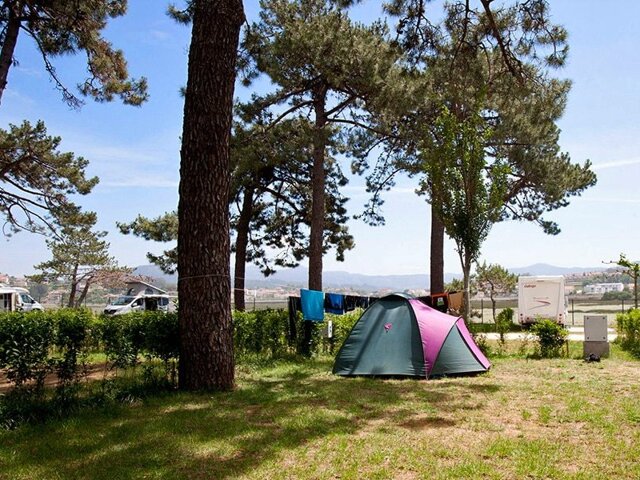
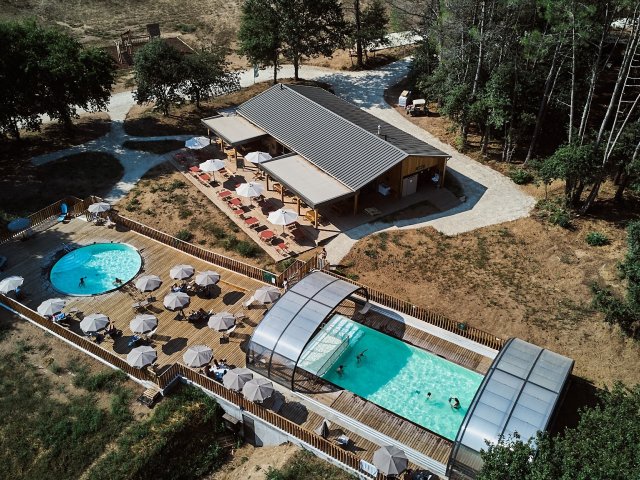
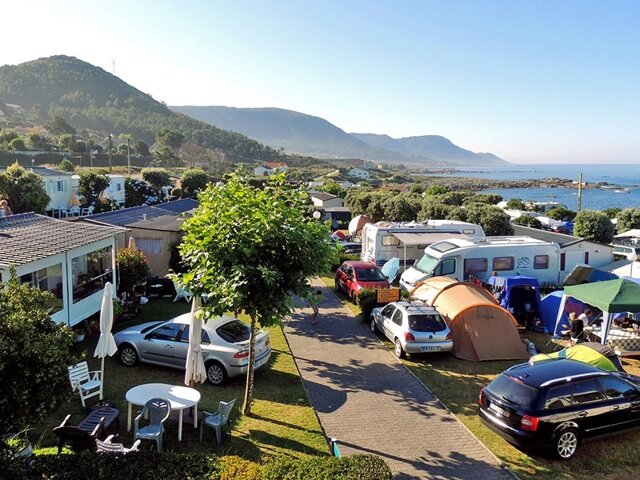

No campsites match your search terms.
Galicia
With a coastline of inlets and wide, rocky estuaries, sheltering traditional old fishing villages and fine beaches, Galicia is perhaps best known for Santiago de Compostela, the place where the famous pilgrim’s route comes to an end.
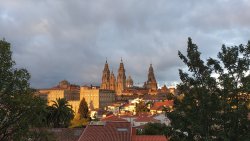
The obvious highlight in the region has to be the beautiful medieval city of Santiago de Compostela, the capital of Galicia and the world-famous centre of the old European pilgrimage. Now a World Heritage Site, the city boasts an impressive Romanesque cathedral with more churches, convents and monasteries dotted around. One of the best times to go to Santiago de Compostela is during the Festival of St James on 25 July, which has also been designated Galicia Day. Following the route into the city are the towns of Portomarín and Samos. Near Samos, the Lóuzara valley and the Sierra do Oribio are ideal for those interested in hiking and wildlife.
The Galician coastline is characterised by high cliffs and estuaries collectively known as the Rías Atlas and Rías Baixas, with the Costa da Morte or Coast of Death separating them, so called because of the hundreds of shipwrecks that litter the cliffs and rocks. It was also once considered by the pilgrims to be the ‘end of the world’. Along the coast are medieval towns and villages, including Noia, Muros, A Coruña and Finisterre. Corcubión, Camariñas and Corme-Laxe are other rias with fishing villages and home to some of the best barnacles in the region.
This region is made up of four provinces: Ourense, Lugo, A Coruna and Pontevedra.
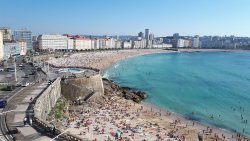
A Coruña: medieval quarters, Romanesque churches, Roman lighthouse.
Baiona: one of the region’s best resorts.
Camariñas: town at the ‘end of the world’, good barnacle hunting ground, lacemaking traditions.
Lugo: town completely enclosed within preserved Roman walls, along which are 85 towers.
Malpica: seaside harbour, jumping off point for nearby islands.
Pontevedra: picturesque old town with lively atmosphere.
Vigo: fishing port, beaches.
Viveiro: beaches, old town surrounded by Renaissance walls.
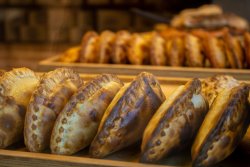
Cuisine of the region
Local cuisine features heavily in fiestas and throughout the region are numerous markets. Good quality seafood is found in abundance; percebes (barnacles) are a favourite. Pulpo (octopus) is also popular and special pulperías will cook it in the traditional way. Vegetable dishes include the Galician broth made with green beans, cabbage, parsnip, potatoes and haricot beans. Aguardiente gallego, a regional liqueur, is used to make the traditional mulled drink known as queimada, where fruit, sugar and coffee grains are added and then set alight.
Caldeirada: fish soup.
Caldo gallego: thick potato and cabbage stew.
Empanada: light-crusted pastries often filled with pork, beef, tuna or cod.
Lacon con grelos: ham boiled with turnip greens.